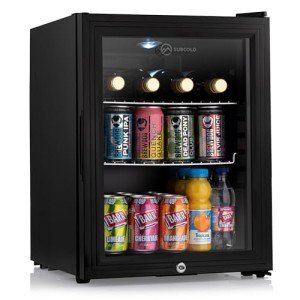
The Convenience Unpacked: Understanding Automatic Defrost Fridges
In the realm of kitchen devices, the fridge stands as an indispensable foundation, maintaining our food and simplifying our lives. Throughout the years, fridge technology has developed substantially, offering a wide variety of features developed to boost effectiveness and user experience. One such feature that has actually ended up being significantly common and popular is automatic defrost. Picture a world without the tedious chore of by hand defrosting your fridge-- an era ushered in by the automatic defrost fridge. However how do these marvels function? What are their benefits, and are there any factors to consider to keep in mind? This short article looks into the world of automatic defrost fridges, unpacking their mechanisms, advantages, and whatever you need to understand to value and maintain these modern cooking area buddies.
The Chill Behind the No-Frost Magic: How Automatic Defrost Works
The primary function of any fridge is to keep a low temperature level to inhibit bacterial growth and keep food fresh. This cooling procedure often results in the development of frost inside the freezer compartment. In traditional fridges, this frost build-up requires manual defrosting-- a lengthy procedure involving unplugging the appliance, clearing its contents, and waiting on the ice to melt. Automatic defrost fridges, nevertheless, remove this inconvenience through an innovative system.
At the heart of an automatic defrost fridge lies a cycle that cleverly melts away frost without compromising food conservation. Here's a breakdown of the automatic defrost system:
- The Cooling Cycle: Just like any basic refrigerator, an automatic defrost fridge utilizes a compressor, condenser coils, evaporator coils, and refrigerant to cool the air. The refrigerant flows through these components, absorbing heat inside the refrigerator and releasing it outside. The evaporator coils, normally located in the freezer compartment, are where the cooling magic genuinely occurs. As air passes over these coils, wetness in the air freezes and forms frost on the coils.
- Frost Detection: The system needs to understand when to initiate the defrost cycle. This is often accomplished through a timer or sensors that keep an eye on frost build-up on the evaporator coils. Timers are configured to trigger the defrost cycle at routine intervals, commonly every 6 to 24 hours, depending upon the fridge model and usage patterns. More sophisticated models utilize sensing units that identify the level of frost accumulation, setting off defrost only when required.
- The Defrost Cycle: Once the defrost cycle is started, the compressor is turned off, ceasing the cooling process temporarily. A small electrical heating aspect, strategically placed near the evaporator coils, is then triggered. This heating unit generates gentle warmth, raising the temperature of the coils just enough to melt the collected frost.
- Water Drainage: As the frost melts, it develops into water. Automatic defrost fridges are equipped with a drain system to handle this meltwater. The water typically flows through a drain hole located inside the freezer compartment and down a drain tube. This tube leads to a pan located near the compressor at the bottom of the fridge. The heat generated by the compressor then naturally evaporates this water. In some designs, there might be a separate heating aspect to help evaporation.
- Resumption of Cooling: Once the defrost cycle is total-- normally lasting around 20-30 minutes-- the heating element is shut off, and the compressor reboots, resuming the cooling cycle. Beer Fridges Frydge goes back to its typical operating temperature level, all set to protect your groceries when again.
This cyclical process of cooling and defrosting occurs immediately, guaranteeing that frost doesn't develop to a level that impairs the fridge's performance or reduces storage area.
The Bouquet of Benefits: Why Choose an Automatic Defrost Fridge?
Selecting an automatic defrost refrigerator provides a plethora of benefits, making it an engaging option for modern families.
- Convenience and Time Savings: The most considerable benefit is the removal of manual defrosting. This saves considerable time and effort, freeing you from a laborious and unpleasant task. No more unplugging, clearing, and waiting on ice to melt-- the refrigerator takes care of it all.
- Constant Cooling Efficiency: Excessive frost build-up acts as an insulator, preventing the fridge's capability to cool efficiently. Automatic defrost avoids this build-up, ensuring constant cooling efficiency and keeping the desired temperature level for ideal food conservation.
- Optimized Food Preservation: Consistent temperature levels, maintained by efficient cooling, are crucial for protecting the quality and longevity of food. Automatic defrost helps maintain these stable temperature levels, minimizing temperature variations that can adversely impact food freshness.
- Increased Storage Space: Frost accumulation in manual defrost fridges gradually reduces functional freezer space. Automatic defrost avoids this, ensuring that you always have actually the optimum meant storage capacity offered.
- Energy Efficiency: While older automatic defrost models might have been less energy-efficient than manual defrost ones, modern advancements have significantly improved their energy performance. Many brand-new automatic defrost fridges are developed to be energy-efficient and often satisfy or exceed the energy effectiveness requirements of equivalent manual defrost models.
- Lowered Food Wastage: By maintaining optimum storage conditions and prolonging food freshness, automatic defrost fridges indirectly add to decreasing food waste.
Browsing Defrost Systems: Exploring Different Types
While the fundamental concept remains the same, automatic defrost systems can differ a little depending on the refrigerator model and manufacturer. Here are a number of typical variations:
- Forced Defrost (Fan Assisted Defrost): This is the most widespread type. It uses a fan to distribute air over the evaporator coils, helping with more efficient cooling and defrosting. This system usually leads to much faster defrost cycles and better temperature level consistency.
- Natural Defrost (Frost-Free): In some designs, particularly older or smaller ones, a natural defrost system might be used. This counts on natural convection and temperature level changes to melt frost during the compressor's off cycle. While easier, it may be less effective than forced defrost and could possibly lead to small temperature level variations.
Many modern refrigerators, specifically full-sized designs and those with freezers, make use of forced defrost systems due to their exceptional effectiveness and efficiency.
Keeping it Cool: Maintenance and Care Tips
Automatic defrost fridges are generally low-maintenance. However, a couple of basic practices can guarantee their optimum functioning and longevity:
- Proper Ventilation: Ensure that there is adequate area around the fridge for proper ventilation. Prevent obstructing the vents situated at the back or sides.
- Prevent Overpacking: Overpacking the refrigerator can restrict air flow, potentially impacting cooling effectiveness and defrost efficiency.
- Regular Cleaning: While you don't require to defrost manually, routine cleansing of the interior is still important for hygiene. Clean down shelves, drawers, and walls with a moderate cleaning agent and water option.
- Check Door Seals: Ensure that the door seals are clean and in excellent condition. Harmed seals can result in air leaks, forcing the fridge to work harder and possibly triggering excessive frost or defrost concerns.
- Examine the Drain Hole: Occasionally check the drain hole inside the freezer to guarantee it's not blocked by food particles or particles. A blocked drain can trigger water to collect inside the fridge.
Fixing Chills: Addressing Potential Issues
While generally trusted, automatic defrost systems can occasionally experience issues. Here are some common issues and troubleshooting actions:
- Excessive Frost Build-up: If you observe uncommon frost accumulation in spite of having an automatic defrost refrigerator, it could suggest an issue with the defrost system. Check if the door seals are undamaged and appropriately sealing. If not, they may require replacement. If seals are great, the issue might be with the defrost timer, heater, or sensor, needing professional servicing.
- Water Leakage Inside the Fridge: This might be a sign of a blocked drain hole. Try carefully clearing the drain hole using a soft wire or pipe cleaner. If the issue continues, it might suggest a more complicated issue with the drainage system.
- Odd Noises: Unusual noises may often emanate from the fridge throughout the defrost cycle (e.g., hissing or sizzling). These are generally regular and related to the defrost heating system. Nevertheless, consistent loud or unusual sounds could indicate a mechanical problem, warranting expert assessment.
If you experience persistent problems with your automatic defrost refrigerator, it's always best to consult the producer's manual or get in touch with a qualified home appliance repair service technician for medical diagnosis and repair work.
Conclusion: Embracing the Effortless Chill
Automatic defrost fridges have actually transformed food preservation by removing the cumbersome task of manual defrosting. They provide unparalleled benefit, keep constant cooling efficiency, enhance food storage, and frequently contribute to energy cost savings. While comprehending their mechanism and practicing basic upkeep can guarantee their durability, the core appeal of an automatic defrost fridge depends on its simple and easy performance. It's a testimony to how technology can seamlessly integrate into our every day lives, making mundane chores a thing of the past and enabling us to concentrate on more crucial things-- like enjoying fresh, unspoiled food without the ice age inconvenience.
Often Asked Questions (FAQs) about Automatic Defrost Fridges
Q1: Are automatic defrost fridges more energy-consuming than manual defrost fridges?
A: Historically, older automatic defrost designs were typically less energy-efficient. However, modern automatic defrost fridges are designed with energy performance in mind. Numerous more recent models, particularly those with energy-star scores, are comparable to or even more energy-efficient than manual defrost models. The existence of frost build-up in manual defrost fridges can itself reduce cooling effectiveness with time, negating some of their prospective energy cost savings.
Q2: How typically does the automatic defrost cycle run?
A: The frequency of the defrost cycle differs depending on the fridge design and use patterns. Normally, it runs every 6 to 24 hours. Some models utilize timers, while advanced ones make use of sensing units to identify frost accumulation and start defrost only when required.
Q3: Is it normal to hear sounds throughout the defrost cycle?
A: Yes, it's typical to hear some noises during the defrost cycle, such as hissing, sizzling, or gurgling. These sounds are typically triggered by the defrost heating system melting the frost or the meltwater draining. These noises are normally short-term and should subside when the defrost cycle is complete.
Q4: Can I manually defrost an automatic defrost fridge if required?
A: While automatic defrost fridges are designed to get rid of manual defrosting, there may be uncommon scenarios where you might want to manually defrost (e.g., in case of malfunction or extended power outage). You can manually defrost by disconnecting the fridge, emptying its contents, and leaving the doors available to permit frost to melt. However, manual defrosting is generally not needed for normal operation.
Q5: What should I do if my automatic defrost refrigerator is still developing frost?
A: If you notice extreme frost build-up, first check the door seals to ensure they are clean and sealing effectively. Damaged seals can trigger air leakages and cause increased frost. If the seals are fine, the problem may be with the defrost system itself (timer, heating system, sensing unit), and it's finest to call a qualified home appliance repair work technician for medical diagnosis and repair work.
Q6: Do all frost-free fridges utilize automatic defrost?
A: Yes, the terms "frost-free" and "automatic defrost" are often utilized interchangeably. A frost-free fridge utilizes an automatic defrost system to prevent frost build-up in the freezer compartment.